Chinese New Year is the most important festival in Chinese culture and an excellent opportunity for companies to deepen relationships with international partners. Appropriate Chinese New Year gifts can not only convey festive blessings but also reflect respect for traditions and the cultural background of the other party. But how do you choose gifts that conform to Chinese etiquette without offending others? This requires a deep understanding of the essence of cross-cultural business etiquette, rather than simply pursuing expensive or unique items.
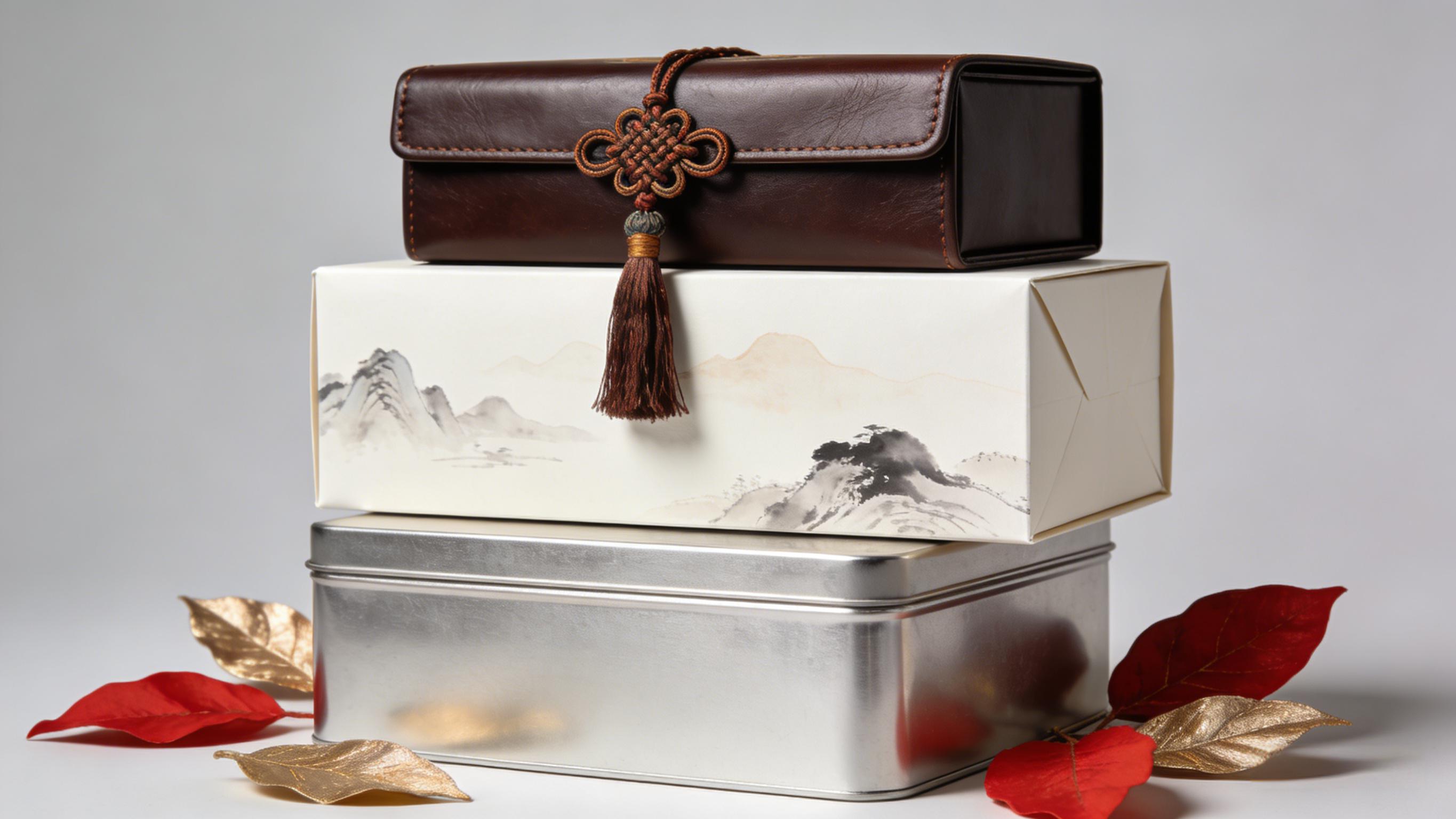
Key Takeaways
- Chinese New Year gifts are important tools for building international business relationships and should be chosen to convey blessings and respect for the other party's culture.
- When choosing food gifts, consider the recipient's allergens and religious taboos; packaging colors and designs should also avoid being overly bright to respect cultural differences.
- Good business gifts that transmit emotional connections should be based on practicality and enhance trust with international partners through customization and thoughtful design, thereby promoting long-term cooperation.
1. Face and Essence under Cultural Differences
Chinese New Year gifts emphasize that the gesture is more important than the gift itself, but international partners may have different understandings of the symbolic meaning of gifts. Traditional Chinese pastries symbolize rising fortunes, but in some Western cultures, the direct association with wealth or status may be overlooked. Therefore, gift choices should balance practical value and cultural adaptability.
When choosing food gifts, be attentive to allergen labeling and religious taboos. Halal-certified tea or chocolates can meet the needs of Muslim partners; vegetarian-friendly snacks are suitable for the Buddhist cultural background in Southeast Asia. Furthermore, the design of the gift package should avoid using colors other than red and gold—although these colors symbolize celebration in the local market, they may be considered too gaudy in some countries.
2. The Silent Language of Gifts: Details Determine Respect
The value of business gifts lies not in their price but in the thoughtfulness they convey. Customized engraved gifts require caution: directly translating Chinese names into foreign languages may lead to misunderstandings, so confirming the pronunciation and writing rules of the recipient's native language is essential. If the recipient is from the Middle East, avoid including animal images on the gift, especially pigs; Japanese partners may associate negative connotations with lotus images.
Regarding material selection, gifts made from Chinese-style craftsmanship, such as porcelain, silk, and bamboo products, can showcase cultural richness while avoiding the awkwardness of lacking practicality. A delicate tea set paired with high-quality tea conforms to traditional culture and is suitable for most international partners' daily usage scenarios. However, be mindful of capacity design—European and American families prefer larger packaging, while East Asian countries lean towards smaller, exquisite portable designs.
3. Symbolic Meaning: Wisdom to Avoid Cultural Conflicts
Taboos in Chinese culture are often simplified to not giving clocks, umbrellas, or pears, but international partners may not be aware of their deeper meanings. Instead of being entangled in avoidance, actively choosing gifts with positive symbols is advisable. Jade symbolizes good fortune, but avoid overly complex patterns; calligraphy and paintings with general themes like blessings and longevity are more easily accepted by cross-cultural groups than obscure ancient poetry.
The practicality and cultural inclusiveness of gifts must be balanced. A bilingual Chinese poetry collection can serve as a desk ornament while satisfying the recipient's interest in traditional culture; a modern art piece in ink style balances traditional aesthetics with international design trends. Such gifts lower the barriers of cultural interpretation and are more readily accepted by partners from different backgrounds.
4. The Relational Temperature of Gift-Giving
The essence of business gifts lies in the emotional connection rather than a one-way offering. Handwriting blessings on a gift card is more sincere than printed text; if the recipient is a young team, opt for fun gifts like mini tea sets or traditional craft stationery rather than overly serious souvenirs.
Moreover, the completeness of gifts can enhance the sense of ritual. Combining tea sets, tea, and tea pets into a Chinese New Year-themed gift box aligns with the traditional cultural meaning of reunion while helping international partners understand how to use it. However, it is essential to include simple usage instructions to avoid misunderstandings caused by cultural differences.
5. Implicit Investment in Long-Term Relationships
The value of Chinese New Year gifts lies in the continuation of relationships thereafter. If the recipient receives high-quality tea, they can ask for feedback on its use during future collaborations, naturally recommending more related products. Initiating relationships with gifts is more capable of establishing trust than merely giving expensive gifts.
Consider the industry characteristics of the recipient when choosing. Partners from technology companies may prefer design-oriented office supplies; art institutions may appreciate traditional handicrafts. By engaging in preliminary communication or observing the decoration style of the recipient's office, one can more accurately pinpoint the direction of the gift.
The essence of cross-cultural business gifts is to convey respect and goodwill through an item. As a microcosm of Chinese culture, the selection of gifts during the Spring Festival must fully respect the cultural habits of the other party while retaining traditional characteristics. When gifts embody both cultural resonance and practicality, they transcend mere exchange and become a silent bridge connecting groups from different backgrounds. In future business interactions, this culture-based thoughtfulness is often more persuasive than any marketing rhetoric.
Frequently Asked Questions (FAQ)
Q1:What is the importance of Chinese New Year gifts?
A1:Chinese New Year gifts not only convey festive blessings but also deepen the relationships between companies and international partners, reflecting respect for traditions and cultures.
Q2:How to select Chinese New Year gifts that conform to Chinese etiquette?
A2:Selecting Chinese New Year gifts requires balancing practical value and cultural adaptability, avoiding offense, and paying attention to details like food allergens and religious taboos.
Q3:What cultural taboos should be avoided when choosing gifts?
A3:Gifts such as clocks, umbrellas, and pears have taboos in Chinese culture; choosing gifts with positive symbolic meanings can help avoid cultural conflicts.
Q4:What is the long-term value of Chinese New Year gifts?
A4:The value of Chinese New Year gifts lies in the continuation of relationships, increasing trust and cooperation opportunities, and fostering positive interactions in future exchanges.


 Service Details
 Projects
 Gallery


 繁體中文(香港)
 繁體中文(澳門)
 繁體中文(台灣)
 简体中文
 English
 日本語
 한국어
 English
 ไทย
 English


 Email
 WhatsApp


 Sign in with Facebook


 Whatsapp
 Facebook
 Line
 Copy Link


